March 24, 2026
Orthopedic braces play a crucial role in aiding recovery after injuries by providing support and enhancing the healing process. Used across a wide range of scenarios — from sports injuries to postoperative rehabilitation — these devices are indispensable in modern therapeutic settings. Understanding how and why they support recovery reveals their pivotal function in restoring physical health.
Understand How Orthopedic Braces Work
Orthopedic braces are devices designed to support, align, and protect specific body parts while facilitating the healing process. Common types include knee, back, wrist, and ankle braces, each tailored to target specific injuries and conditions. Knee braces, for instance, support ligament injuries, while wrist braces aid conditions like carpal tunnel syndrome. Choosing the correct type is essential to recovery, as each design caters to particular anatomical and injury-related needs. Customization plays a critical role here, ensuring a proper fit that adequately supports the injury site and accommodates individual differences in anatomy and severity.
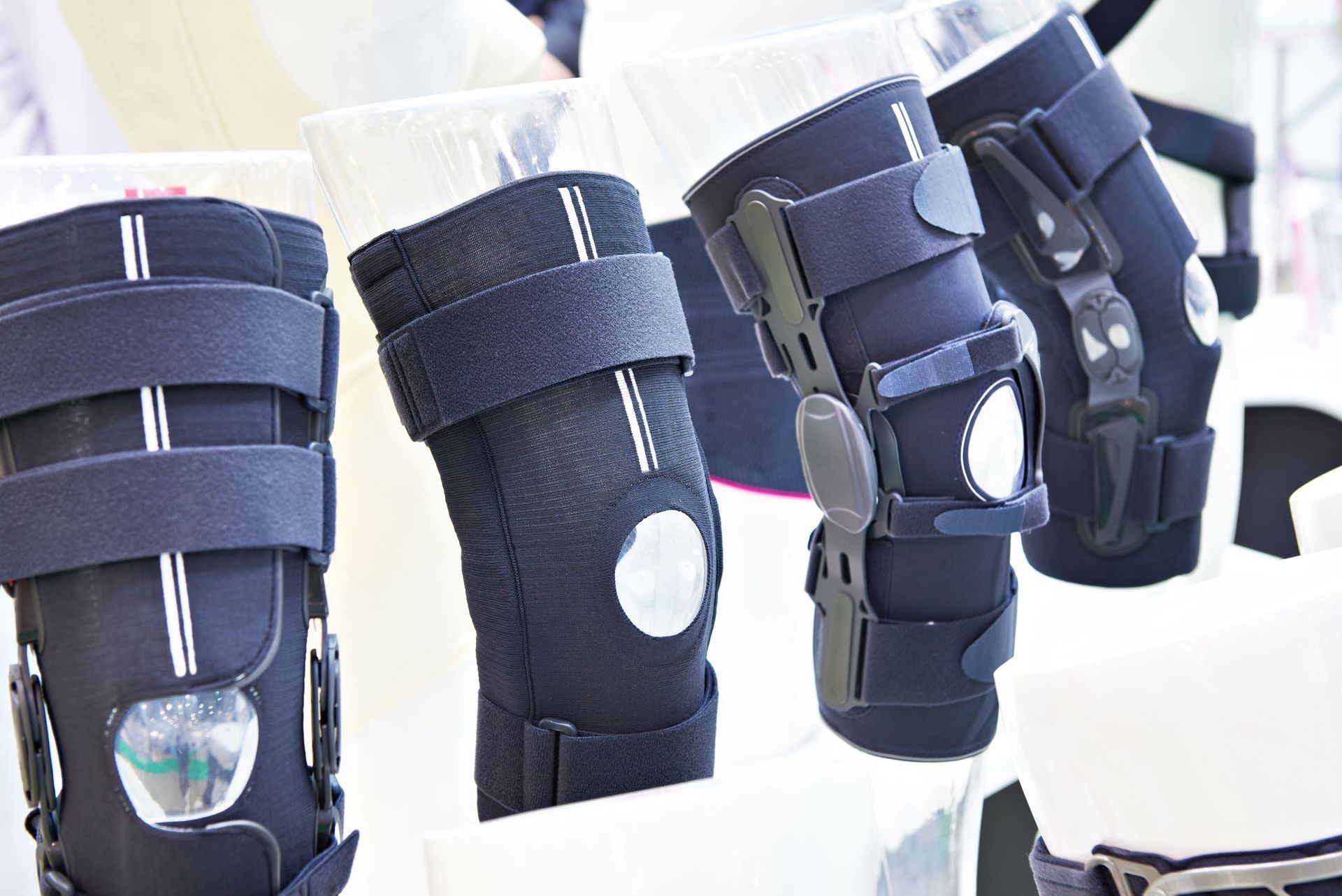
These devices are crafted from a variety of materials — including neoprene, metal, plastic, and fabric — chosen for their durability, comfort, and functionality. Neoprene is favored for its elasticity and heat retention, which aid muscular support and circulation, while rigid plastic or metal components are used where greater immobilization is required. Design elements such as adjustable straps and padding allow braces to accommodate swelling and deliver targeted support as recovery progresses. According to KOC, about one in seven people in the United States will experience an orthopedic problem at some point in their lives, underscoring the widespread need for effective bracing solutions. This combination of thoughtful material selection and adaptive design ensures that orthopedic braces remain both comfortable and therapeutically effective throughout the recovery process.
Support Recovery From Knee Injuries
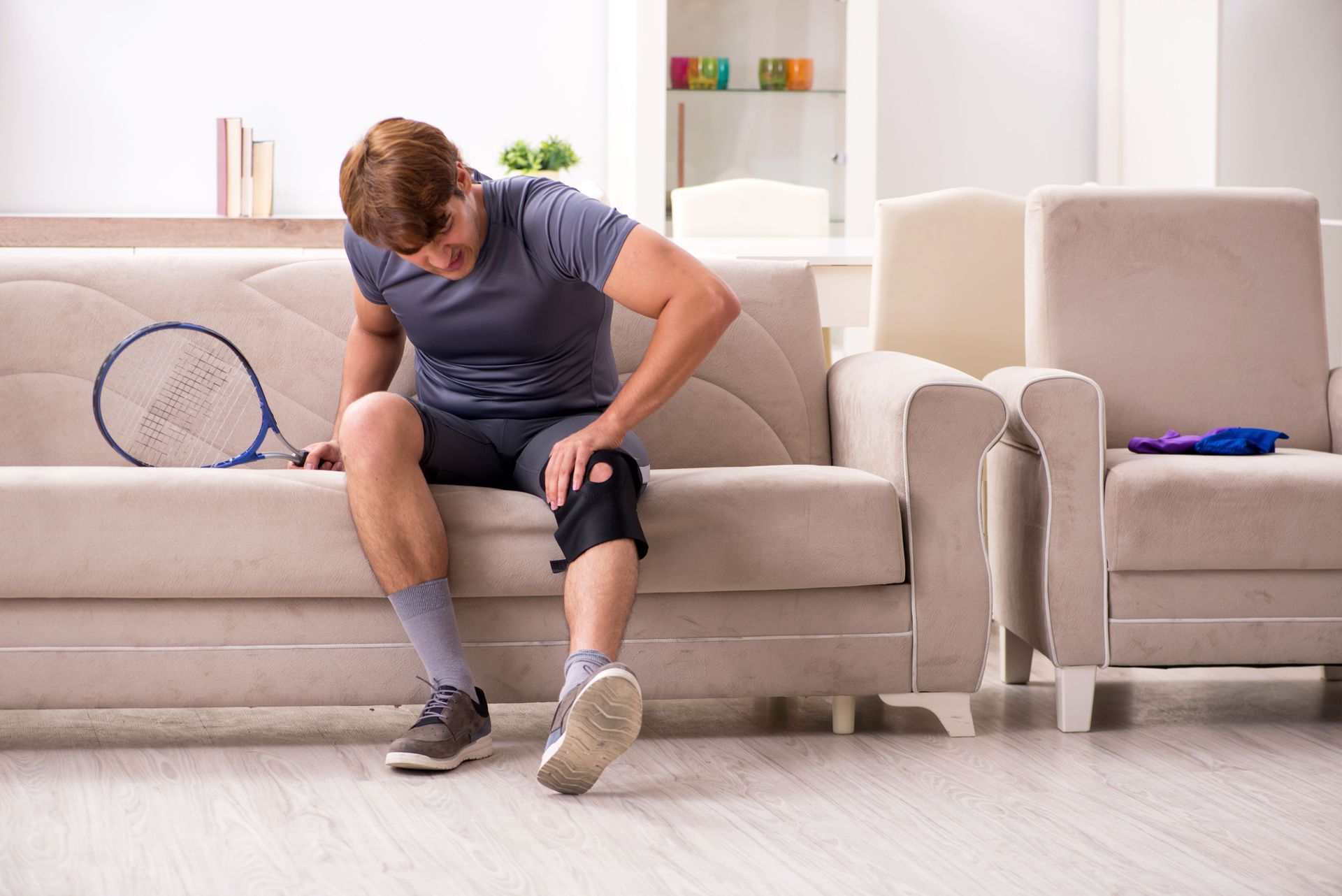
The knee joint is among the most complex in the body and is prone to a variety of injuries, including anterior cruciate ligament (ACL) tears, medial collateral ligament (MCL) injuries, and meniscus tears. Each of these conditions impairs stability and function, with braces designed to offer targeted protection and controlled motion. Knee braces for ACL injuries often feature articulated hinges that limit motion in specific directions, preventing further damage, while braces for MCL injuries provide lateral support to stabilize the joint during healing. Beyond acute injuries, individuals with degenerative conditions such as osteoarthritis also benefit from knee braces that offload stress from affected areas, alleviating pain and improving mobility.
Knee braces deliver support by absorbing and redistributing external forces across the joint, reducing pressure on injured tissues. Compression elements improve circulation, accelerating nutrient delivery to damaged areas and promoting cellular repair. This compression also provides proprioceptive feedback, increasing the wearer's awareness of joint position and aiding in muscle retraining — a key component of long-term joint health. Additionally, braces offer psychological reassurance, giving users the confidence to engage in rehabilitation exercises and daily activities without fear of reinjury. This dual capacity for physical stabilization and psychological support makes orthopedic braces essential tools in comprehensive knee injury recovery.
Selecting the right knee brace depends on the nature and severity of the injury. Hinged braces are ideal for ligament injuries and post-surgical recovery, offering robust protection while allowing controlled movement. For chronic conditions like osteoarthritis, unloader braces redistribute weight away from painful areas of the joint, providing meaningful relief during daily activity. Compression sleeves, on the other hand, are suited to mild injuries or preventive use during high-impact activities, offering warmth and gentle stabilization. Consulting a healthcare provider is essential to identifying the most appropriate option, ensuring the selected brace aligns with both therapeutic goals and individual comfort needs.
Stabilize and Heal Ankle Injuries Effectively
Ankle injuries — including sprains, fractures, and tendonitis — are among the most common orthopedic conditions encountered in both athletic and everyday settings. Sprains involve ligament stretching or tearing and require stabilizing braces to prevent further damage as the tissue heals. Fractures demand more rigid support to immobilize the ankle and maintain proper alignment throughout recovery. For tendonitis, braces reduce pressure on inflamed tendons, creating an environment that encourages healing without further aggravation. Individuals with a history of ankle instability also rely on bracing as a preventive measure, reinforcing the joint against the excessive movement that often leads to recurrent injuries.
Ankle braces support recovery mechanically by limiting harmful motion while still allowing functional movement necessary for rehabilitation. Compression features reduce swelling and improve circulation, both of which are critical in the early stages of injury recovery. As healing progresses, adjustable designs allow clinicians and patients to modify the level of support, transitioning from rigid immobilization to more flexible stabilization as strength returns. The ability to adapt throughout recovery ensures that ankle braces remain relevant and effective from the acute phase through full rehabilitation. This progressive support structure helps users regain confidence in weight-bearing activities, a key milestone in returning to normal function.
Post-rehabilitation use of ankle braces is also common among athletes and active individuals who want to protect previously injured joints during high-demand activities. These braces reinforce the ankle's structural integrity, reducing the likelihood of re-injury during running, jumping, or sudden directional changes. The support they provide is not only mechanical but also sensory, improving proprioception and helping users develop better movement awareness over time. Together, these benefits make ankle bracing a cornerstone of both short-term recovery and long-term injury prevention strategies in orthopedic care.
Promote Healing After Wrist and Back Injuries
Wrist and back injuries represent two additional areas where orthopedic braces provide meaningful therapeutic support. For conditions such as carpal tunnel syndrome and wrist fractures, wrist braces immobilize the joint and protect sensitive structures from further stress. These braces maintain the wrist in a neutral position, reducing nerve compression and promoting tissue recovery. Back braces serve a similar purpose for spinal conditions, offloading pressure from affected vertebrae and surrounding muscles to reduce pain and encourage proper posture. In both cases, the mechanical support provided by the brace creates a stable environment in which natural healing can occur more efficiently.
Beyond immobilization, wrist and back braces assist users in maintaining activity and independence during recovery. By reducing pain and discomfort, they allow wearers to participate in light daily tasks without placing undue strain on injured structures. Back braces, in particular, benefit individuals managing chronic spinal conditions by providing consistent postural reinforcement throughout the day. Wrist braces can similarly be worn during occupational tasks, allowing individuals to remain productive while protecting healing tissue. This functional support bridges the gap between rest and full activity resumption, making braces valuable not only during acute recovery but also in longer-term injury management.
Customization enhances the effectiveness of both wrist and back bracing by ensuring optimal fit and targeted support. Custom-fitted devices conform closely to the user's anatomy, minimizing discomfort and maximizing contact with the areas that require stabilization most. Advances in design, including digital imaging and adjustable components, allow these braces to evolve alongside the patient's recovery, accommodating changes in swelling and mobility over time. Whether managing an acute injury or a chronic condition, well-fitted orthopedic braces significantly improve user compliance — and with it, overall recovery outcomes.
Selecting appropriate orthopedic braces is one of the most important steps in supporting a successful recovery. The right brace depends on the specific injury, its severity, the stage of healing, and the individual's lifestyle and activity level. A healthcare provider's guidance is essential in navigating these variables, ensuring that the device selected aligns with a comprehensive treatment plan. If your need is for rigid immobilization, moderate stabilization, or gentle compression, contact us at Family Medical Equipment today. We will help you find the right support for your recovery journey — because getting back to the life you love starts with the right care.