June 11, 2026
Orthopedics is a field of medicine that deals with the diagnosis, treatment, rehabilitation, and prevention of disorders related to the musculoskeletal system. This system includes bones, joints, ligaments, tendons, and muscles. As an essential part of healthcare, orthopedics helps individuals maintain their mobility and independence. From surgical care to rehabilitation tools like an orthopedic brace, the field supports patients at many stages of recovery. The impact of orthopedics extends beyond individual cases because it influences overall public health. This article will discuss various reasons why one might choose a career or seek treatment in the field of orthopedics.
1. Comprehensive Care for Musculoskeletal Conditions
1.1 Scope of Orthopedics
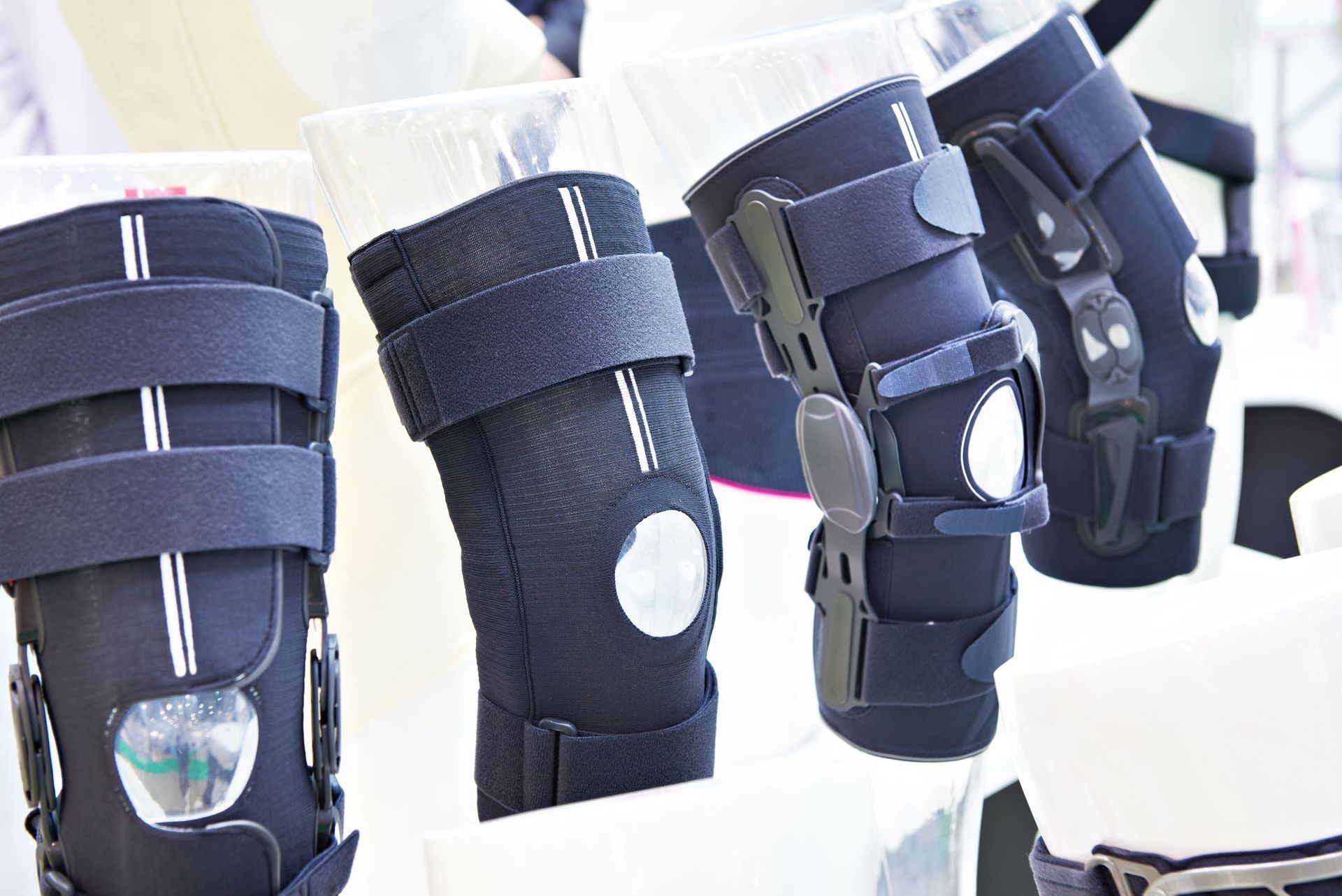
The field of orthopedics is vast and covers a wide range of musculoskeletal conditions. It deals with congenital abnormalities, injuries resulting from trauma, chronic diseases, and more. Orthopedic specialists are trained to treat conditions from simple fractures to complicated skeletal deformities. In some cases, an orthopedic brace may be part of a treatment plan to support alignment, reduce strain, or protect an injured area during healing. This broad approach helps patients receive care based on their specific needs. As such, orthopedics continues to evolve to manage an extensive range of disorders.
1.2 Diagnosis and Treatment of Bone Disorders
Orthopedics plays a crucial role in diagnosing and treating bone disorders. Conditions like osteoporosis, osteoarthritis, and bone cancers require detailed knowledge for effective management. Orthopedic surgeons use advanced diagnostic tools like X-rays, MRIs, and CT scans to assess and address these issues. Surgical interventions, when necessary, are performed with precision to support structural integrity and patient recovery. With ongoing advancements, orthopedic care continues to improve patient outcomes.
2. Advancements and Innovations in Orthopedic Technology
2.1 Pioneering Surgical Techniques
Orthopedics is at the forefront of medical innovations, particularly in surgical techniques. Advances such as arthroscopy, a minimally invasive procedure, allow surgeons to diagnose and treat joint problems with less trauma and faster recovery times. In addition, techniques such as computer-assisted surgery have enhanced precision in complicated bone structures. These breakthroughs pave the way for increasingly effective treatments and shorter hospital stays. Continued research and development are key to future advancements in this area.
2.2 Breakthroughs in Prosthetics and Implants
Prosthetics and implants are critical innovations in orthopedics that have transformed patient care. Modern materials and technology have led to the development of custom-fitted, durable, and efficient prosthetic limbs and joint replacements. These advancements restore function and enhance the quality of life for amputees and those with degenerative joint conditions. Similar progress has influenced the design of the orthopedic brace, making many models lighter, more comfortable, and better suited to a patient's daily routine. As a result, patients experience increased mobility without compromising their lifestyle.
3. Diverse Career Opportunities in Orthopedics
3.1 Specialty Areas Within Orthopedics
The field of orthopedics offers a variety of specialty areas for medical professionals. Surgeons can focus on sports medicine, pediatric orthopedics, or trauma care, each offering unique challenges and rewards. This diversity allows healthcare providers to tailor their careers to their interests and strengths. Continuous advancements in the field mean these specialties evolve to include new knowledge and techniques. The array of options available makes orthopedics a highly appealing field for many medical students.
3.2 Opportunities in Clinical Practice
Clinical practice within orthopedics offers numerous opportunities for physicians and surgeons. Professionals can work in hospitals, private practices, or multidisciplinary clinics. This flexibility allows practitioners to establish their practice environment and focus on specific areas of interest. Many orthopedic professionals also operate specialized units that focus on particular conditions, patient demographics, or supportive care options such as an orthopedic brace. The demand for orthopedic care continues to be strong, providing security and growth potential in this career path.
4. Impact on Quality of Life
4.1 Pain Management and Relief
Orthopedics significantly affects pain management and relief for patients with musculoskeletal conditions. Chronic pain can severely limit daily activities and overall quality of life. Orthopedic treatments, including medication, therapy, surgery, and the use of an orthopedic brace, aim to alleviate pain and restore function. By addressing the root causes of pain, orthopedics helps patients regain independence and mobility. Effective pain management in orthopedics improves quality of life and contributes to patient satisfaction.
4.2 Improving Mobility and Functionality
Improving mobility and functionality is a primary goal of orthopedic care. Conditions such as arthritis, fractures, and injuries can hinder movement and physical capabilities. Through surgical interventions, physical therapy, and adaptive devices, orthopedics restores movement and function. For some patients, an orthopedic brace provides extra stability that makes walking, exercising, or returning to work more manageable. This improvement enables patients to resume everyday activities and enjoy a more active lifestyle.
5. Collaborative and Interdisciplinary Approach
5.1 Working With Physiotherapists and Rehabilitation Professionals
Collaboration is a cornerstone of effective orthopedic care, with physiotherapists and rehabilitation professionals playing crucial roles. Together, these professionals create comprehensive treatment plans tailored to individual needs. Physiotherapists focus on restoring movement and function, while rehabilitation professionals guide recovery processes. When an orthopedic brace is part of the plan, these providers can help patients learn how to use it properly during daily activities and therapy. The teamwork between these professions enhances patient outcomes and satisfaction.
5.2 Coordination With Primary Care Physicians
Coordination with primary care physicians is essential for comprehensive orthopedic care. By working together, specialists and primary care providers help patients receive consistent, seamless care. This collaboration helps identify musculoskeletal issues early, allowing for prompt intervention and treatment. Primary care physicians also play a key role in monitoring chronic conditions and overall health. This cooperative approach emphasizes continuity of care and enhances patient outcomes.
6. Financial and Economic Considerations
6.1 Cost-Effectiveness of Orthopedic Treatments
Orthopedic treatments are known for their cost-effectiveness, delivering significant value for both patients and healthcare systems. By efficiently addressing musculoskeletal issues, these treatments reduce long-term healthcare expenses related to chronic conditions. Effective interventions also result in quicker recovery times, minimizing downtime from work and enhancing productivity. The focus on prevention further reduces costs by decreasing the frequency and severity of injuries. These factors highlight the economic advantages of investing in orthopedic care.
6.2 Insurance Coverage and Reimbursement
Insurance coverage and reimbursement play crucial roles in facilitating access to orthopedic treatments. Comprehensive policies often cover a broad range of services, from diagnostic tests to surgical interventions and rehabilitation. However, managing insurance claims can be challenging, requiring clear communication between patients, providers, and insurers. Hospitals and clinics work diligently to secure reimbursements and minimize out-of-pocket expenses for patients. A better understanding of insurance provisions can enhance access to essential orthopedic services.
6.3 Economic Impact of Improved Patient Outcomes
Improved patient outcomes in orthopedics have far-reaching economic impacts. Effective orthopedic care reduces the incidence of work-related injuries and absenteeism, boosting productivity and economic stability. As a result, communities benefit from healthier employees and reduced strain on healthcare resources. According to the World Health Organization, in the U.S., about one in seven people will experience an orthopedic problem at some point in their lives, making the economic implications substantial. Thus, investing in orthopedic care aligns with public health and economic objectives alike.
Orthopedics offers numerous compelling reasons for patients and professionals alike. The field provides comprehensive care for musculoskeletal conditions, embraces advanced technology, and offers diverse career opportunities. Patients experience improved quality of life, enhanced mobility, and reduced healthcare costs. Collaborative, interdisciplinary approaches and substantial economic considerations further emphasize the importance of orthopedics. Whether care involves surgery, rehabilitation, therapy, or an orthopedic brace, orthopedics continues to evolve, advance, and elevate public health outcomes. To learn more, reach out to Family Medical Equipment.