July 28, 2026
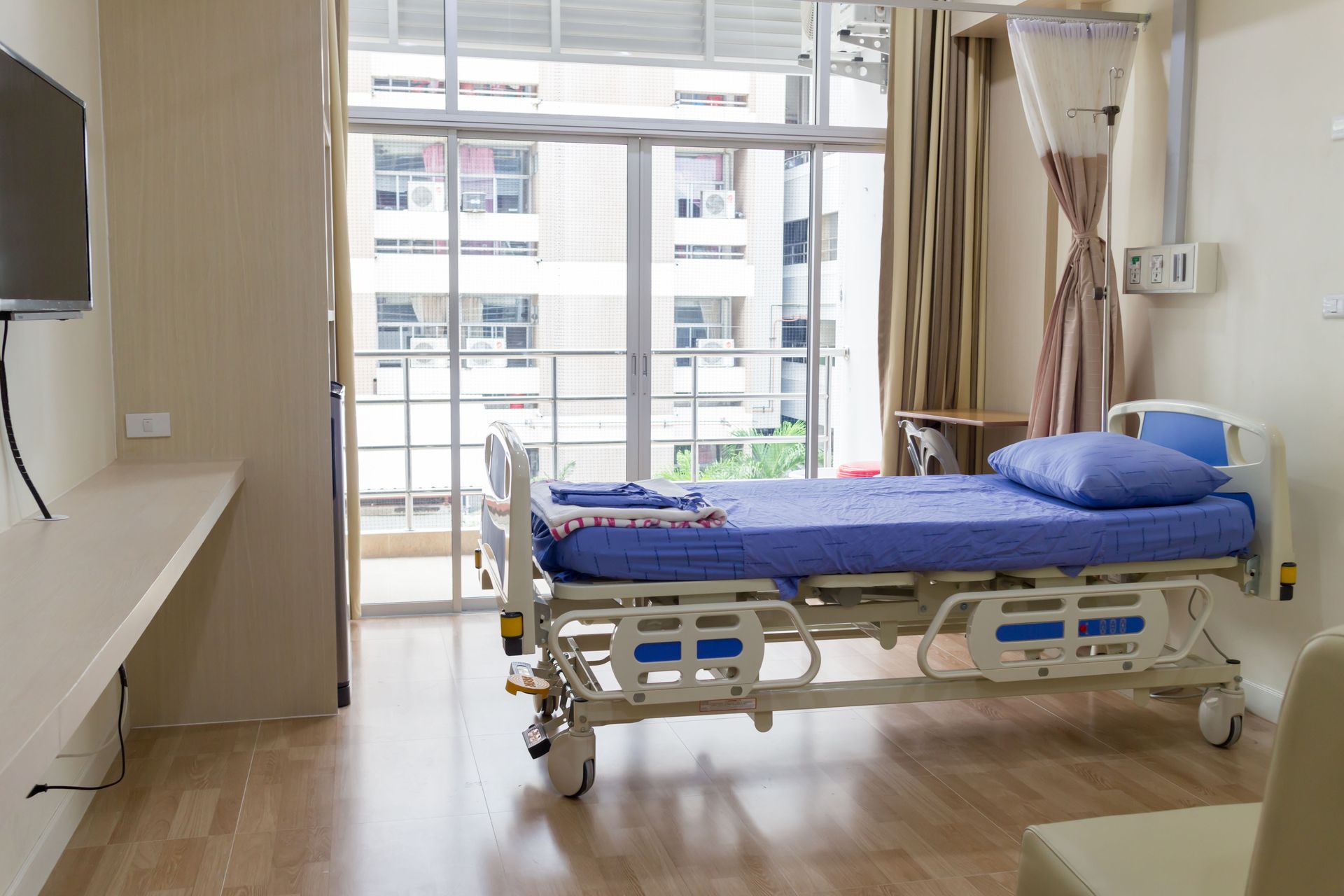
As more healthcare services move beyond traditional medical facilities, many families are discovering the benefits of caring for loved ones at home. Creating a safe and supportive recovery environment often requires specialized equipment that promotes comfort, independence, and effective caregiving. One of the most valuable investments for home healthcare is the use of hospital beds because they are specifically designed to support patients with limited mobility, chronic illnesses, or post-surgical recovery. Whether the need is temporary or long-term, choosing the right bed can improve everyday life for both patients and caregivers while contributing to better overall health outcomes. Unlike a standard household bed, medical-grade options provide adjustable positioning, enhanced safety features, and greater accessibility. These capabilities help reduce physical strain, encourage proper body alignment, and simplify many daily caregiving responsibilities. Families often find that having the appropriate equipment creates a more comfortable atmosphere where recovery and independence can flourish. Choosing equipment that meets both current and anticipated healthcare needs can help families provide more effective support as recovery progresses.
1. Improve Daily Comfort
Comfort is one of the most important factors during recovery from surgery, injury, or chronic illness. Remaining in one position for extended periods can lead to stiffness, discomfort, and interrupted sleep. Adjustable sleeping surfaces allow individuals to elevate their head, legs, or entire body to achieve a position that feels more supportive throughout the day and night.
These adjustments are especially beneficial for people experiencing breathing difficulties, circulation concerns, or joint pain. Elevating the upper body may reduce acid reflux symptoms while making breathing easier, whereas raising the legs can help minimize swelling and improve circulation. Small changes in positioning often make a noticeable difference in overall comfort and help individuals remain more relaxed throughout the recovery process.
2. Support Better Sleep Quality
Quality sleep plays a significant role in healing. During deep sleep, the body repairs damaged tissues, supports immune function, and restores energy levels. Individuals dealing with pain or limited mobility often struggle to find a comfortable sleeping position in a traditional bed.
Adjustable settings allow sleepers to customize their position based on personal comfort and medical recommendations. Many patients experience fewer nighttime awakenings because pressure on sensitive joints and muscles is reduced. Better rest often contributes to improved mood, greater energy, and faster recovery over time.
3. Increase Patient Independence
Maintaining independence is important for both emotional well-being and physical confidence. Simple tasks such as sitting upright, reading, eating meals, or getting out of bed become easier when the sleeping surface can be adjusted to the appropriate height and angle.
Many individuals appreciate being able to control these adjustments without relying on constant assistance. This increased independence can improve self-esteem and encourage greater participation in rehabilitation activities. Patients who remain engaged in their own care often feel more motivated throughout the healing process.
4. Reduce Caregiver Strain
Caring for someone at home requires physical effort, especially when assisting with repositioning, transfers, bathing, or changing bedding. Repeated lifting and bending can place significant stress on a caregiver's back, shoulders, and knees.
Adjustable height settings help position the bed at a comfortable working level, reducing unnecessary strain during routine care. Features such as locking wheels and accessible controls further simplify daily responsibilities. By minimizing physical demands, caregivers are better able to provide consistent, high-quality assistance while protecting their own health. Properly selected hospital beds also make routine transfers and repositioning much easier for everyone involved.
5. Enhance Safety Throughout Recovery
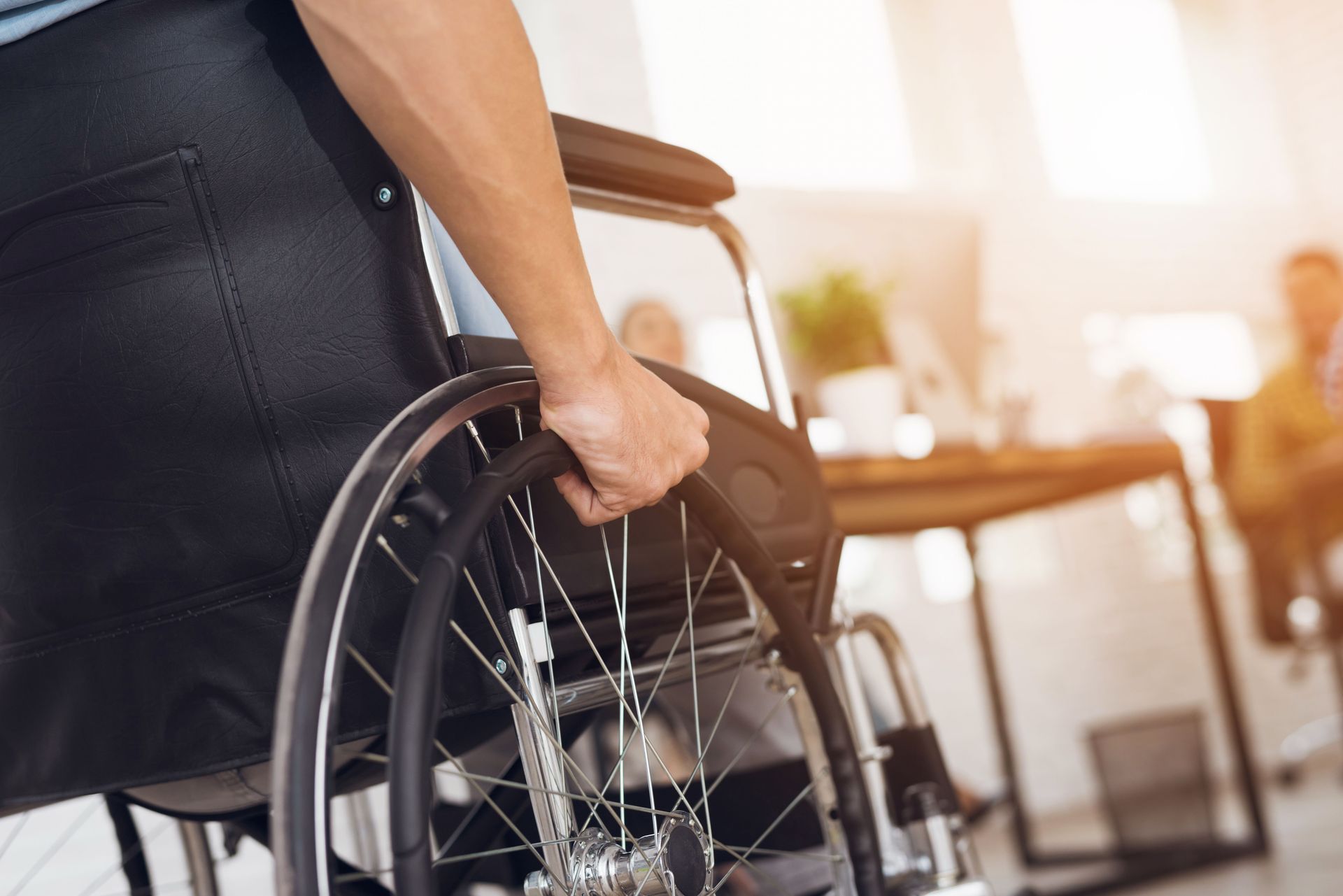
Falls remain one of the greatest concerns for individuals recovering from illness or living with reduced mobility. According to the CDC, about 12.2% of adults in the U.S. have difficulty walking or climbing stairs due to mobility-related disabilities, making supportive equipment especially valuable for maintaining safety at home. Side rails, adjustable heights, and stable frames all contribute to a safer environment that reduces unnecessary risks.
Lowering the bed before transfers allows patients to place their feet firmly on the floor, while raising it during treatment helps caregivers work comfortably. These safety features create confidence for both patients and family members by reducing the likelihood of accidents within the home.
Many hospital beds also include emergency locking systems and durable construction designed to provide reliable support throughout daily use. These features help create a secure environment where patients can rest with greater confidence.
6. Encourage Better Pressure Management
Individuals who spend long periods resting in bed face an increased risk of developing pressure injuries. Continuous pressure on the same areas of the body can reduce circulation and damage the skin if movement is limited.
Specialized mattresses distribute body weight more evenly while adjustable positioning makes regular repositioning easier. Together, these features help reduce pressure on vulnerable areas and support healthier skin. Healthcare providers often recommend routine position changes alongside pressure-relieving surfaces to improve long-term comfort.
7. Accommodate Changing Medical Needs
Recovery is rarely a straight path. A patient's condition may improve rapidly or require additional support depending on medical circumstances. Flexible equipment allows families to adapt without replacing major furniture or making extensive home modifications.
As treatment plans evolve, different positioning requirements may become necessary for physical therapy, respiratory care, or pain management. The adaptability offered by hospital beds allows one piece of equipment to meet multiple healthcare needs throughout various stages of recovery.
8. Simplify Medical Treatments
Many patients require routine wound care, medication management, respiratory treatments, or physical therapy exercises while recovering at home. Adjustable positioning makes these procedures easier to perform and often more comfortable for the patient.
Healthcare professionals visiting the home can work more efficiently when the bed height and angle are properly adjusted. Family caregivers also benefit by having improved access during routine care activities, making daily responsibilities less physically demanding.
9. Create a More Organized Care Space
Successful home healthcare often depends on keeping essential supplies nearby. Medical equipment, medications, mobility aids, and personal belongings should remain organized and easily accessible throughout the day.
Many modern designs include convenient storage features or allow compatible accessories such as overbed tables, trapeze bars, and IV poles to be added when needed. Organizing the care area helps reduce stress, improves efficiency, and allows caregivers to respond quickly whenever assistance is required.
10. Provide Long-Term Value for Families
Although specialized medical equipment represents an investment, it often delivers meaningful long-term value. Improved comfort, fewer injuries, enhanced caregiver efficiency, and greater patient independence can reduce unnecessary complications that may otherwise require additional medical attention.
Many insurance providers, healthcare organizations, or rental programs may also help offset costs depending on medical necessity and coverage requirements. Families should discuss available options with healthcare professionals to determine the most appropriate solution for their situation.
Beyond the financial considerations, investing in equipment that improves quality of life often provides peace of mind. Knowing that a loved one has a safer and more comfortable environment allows everyone involved to focus on recovery instead of daily challenges.
Whether someone is recovering after surgery, managing a chronic illness, or receiving long-term care, the right equipment can transform everyday routines into safer and more comfortable experiences. By supporting both patients and caregivers, hospital beds continue to play an important role in helping families provide compassionate, effective care within the comfort of home. Contact our team at Family Medical Equipment today and learn more about our hospital beds.